
China Product Sourcing Agent for Industrial Businesses
Custom product sourcing and product development services from China, backed by supplier management, delivery, and after-sales support.
GET A QUOTEProduct Sourcing Capabilities
Injection

Sourcing Captain supports custom product sourcing for injection-molded rubber, plastic, and precision components, from simple O-rings to complex parts with tight tolerances.
Extrusion

Our extrusion solutions span from simple round cord to complex profiles with metal inserts. We also add adhesives, apply to spools, and splice/vulcanize to form continuous seals.
Machining

As a product sourcing agent, we help source machined parts using saws, waterjets, plasma cutters, laser cutters, mills, lathes, routers, and other precision equipment.
Fabrication

We support product development sourcing for fabricated components, from prototype development to production-ready assemblies made through cutting, forming, machining, fastening, or welding.
Post Processing

Our China product sourcing agent team helps source post-processing solutions such as plating, coating, sterilization, and clean-room manufacturing for performance-critical components.
Printing

Sourcing Captain provides product sourcing services for offset, digital, and 3D printing projects, including packaging, textiles, promotional materials, prepress, production, and finishing.
Assembly

We support new product development services by sourcing assembly solutions that combine prefabricated parts into complete, functional products ready for testing, production, or delivery.
Custom Product Sourcing
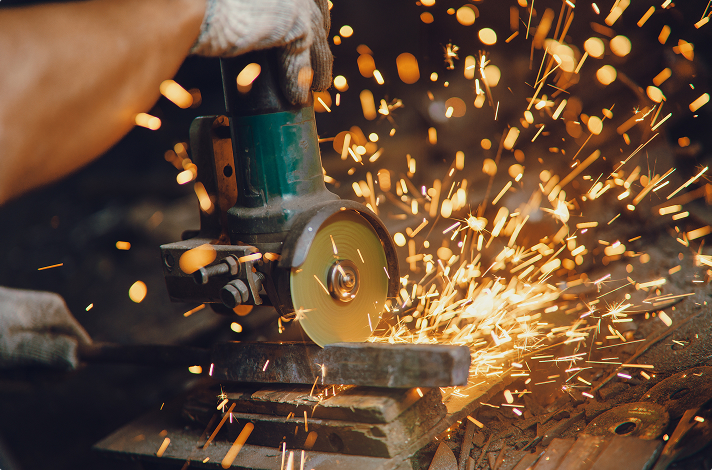
Custom manufacturing is part of our custom product sourcing service, helping businesses produce specialized components, assemblies, or private-label products based on exact technical requirements. It is especially useful when standard off-the-shelf parts cannot meet unique performance, design, or operational needs.
Drawing-Based Manufacturing
Definition: Production based on client-provided technical drawings (CAD/3D files), with strict adherence to specifications.
Key Use: Precision parts, molds, or industrial components requiring exact tolerances.
Example: “We manufacture aerospace components per your engineering prints.”
Sample-Based Manufacturing
Definition: Replication of a physical prototype through reverse engineering (3D scanning, material analysis).
Key Use: Industrial products, consumer goods, or plastic injection molding where visual/functional consistency matters.
Example: “Our team can reproduce your design from a provided sample.”
Specification-Driven Manufacturing
Sourcing Captain manages materials and manufacturing end-to-end, for example in furniture or jewelry.
Key Use: Industries where material control or modularity is critical for performance boosts.
Product Upgrade/Iteration
Definition: Enhancing existing products through hardware/software updates or technique improvements.
Hardware upgrades: replacing components (e.g., faster processors) or changing the material type.
Technique: adopting advanced techniques (e.g., additive manufacturing).
Key Use: tech devices, automotive parts, or industrial equipment needing performance boosts.
Parts & Components Sourcing
Through our product sourcing services, we offer durable industrial equipment parts, spare parts, and components tailored to your needs. With fast response and global availability, we help minimize downtime and maximize efficiency.

Branded Parts
Custom Parts
Electronic Components
Aftermarket/ Replacement Parts
New Product Development Services
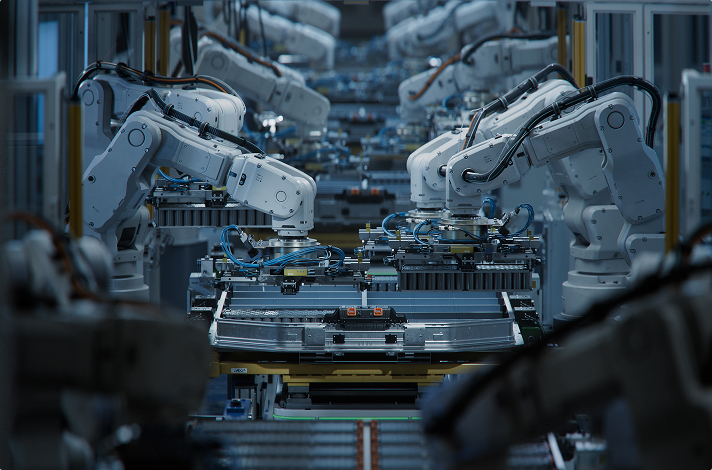
New product development services help companies create and bring to market specialized products that meet evolving industrial needs and business objectives. This strategic process covers everything from initial concept generation to final product commercialization, requiring cross-functional collaboration, technical sourcing, and market-driven decision-making.
Key Processes in New Product Development (NPD)

Market Research & Feasibility Study
Demand analysis and technical feasibility assessment.

Technical Evaluation & R&D
Technology assessment and engineering research.

Supply Chain Analysis & Cost Optimization
Supplier evaluation, cost breakdown, and sourcing strategy.

Prototype Development & Testing
Functional prototype design, validation, and iteration.

Product Specification Finalization
Technical approval and compliance certification.

Tooling & Pilot Production
Mold design, trial run, and quality control.

Mass Production & Quality Assurance
Scaling up with process stability monitoring.

Market Feedback & Continuous Improvement
Customer insights collection and product enhancement.