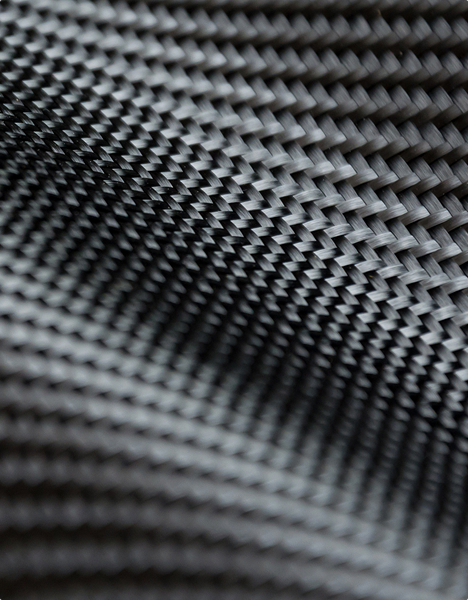

Industrial Materials

Rectangle 14

Metals

Industrial Applications‌:

  • Construction (steel frameworks)
  • Machinery (gears/bearings)
  • Electronics (copper wiring)
  • Automotive (aluminum bodies)

Market Outlook‌

Global metal processing market expected to grow 8% by 2025, driven by new energy equipment demand.

Key Advantages‌:

  • High conductivity
  • Excellent forgeability
  • Superior corrosion resistance (e.g., stainless steel’s acid/alkali resistance in chemical equipment)

Rectangle 141

Plastics

Industrial Applications‌

  • Packaging (food-grade PET bottles)
  • Medical devices (disposable syringes)
  • Automotive lightweighting (polypropylene bumpers)

Market Outlook‌

Bioplastic capacity to increase 30% by 2025 due to environmental regulations.

Key Advantages‌

  • Low production cost
  • Exceptional moldability
  • Chemical resistance (e.g., PTFE in high-temperature seals)
Rectangle 142

Industrial Textiles

Industrial Applications‌

  • Protective gear (aramid bulletproof vests)
  • Filtration (fiberglass filter cloth)
  • Construction reinforcement (carbon fiber)

Market Share‌

Accounts for 35% of global fiber production.

Key Advantages‌

  • Unique flexibility-strength balance
  • Fatigue resistance (e.g., polyester in tire cords)
Rectangle 143

Specialty Glass

Industrial Applications‌

  • Solar panels (ultra-clear substrates)
  • Optics (quartz lenses)
  • Building facades (Low-E glass)

Market Outlook‌

Smart glass to reach 12% market penetration by 2025.

Key Advantages‌

  • Optical transparency
  • Chemical stability (e.g., borosilicate’s thermal shock resistance in labware)
Rectangle 144

Advanced Ceramics

Industrial Applications‌

  • Electronics (MLCC capacitors)
  • Cutting tools (zirconia blades)
  • Aerospace (thermal barrier coatings)

Market Outlook‌

Nanoceramics demand in semiconductors to grow 25% by 2025.

Key Advantages‌

  • Exceptional hardness
  • High-temperature resistance (e.g., silicon nitride in turbine blades)
Rectangle 145

Electronic Materials

Industrial Applications‌

  • Chips (silicon wafers)
  • Flexible circuits (polyimide substrates)
  • Sensors (piezoelectric ceramics)

Technology Shift‌

3rd-gen semiconductors (GaN/SiC) replacing traditional materials in 5G base stations.

Key Advantages‌

  • Precise electrical property control
  • High-speed response (e.g., lithium niobate in modulators)
Rectangle 146

Specialty Chemicals

Industrial Applications‌

  • Pharmaceuticals (API raw materials)
  • Agriculture (fertilizers)
  • Coatings (epoxy resins)

Sustainability Impact‌

Green chemistry to reduce 30% carbon emissions by 2025.

Key Advantages‌

  • Reaction versatility
  • Catalytic efficiency (e.g., in oil cracking processes)
Rectangle 147

Industrial Gemstones

Industrial Applications‌

  • Cutting tools (diamond grinding wheels)
  • Bearings (ruby balls)
  • Lasers (sapphire windows)

Market Share‌

Industrial diamonds comprise 80% of global diamond production.

Key Advantages‌

  • Superhardness
  • Thermal stability (e.g., cubic boron nitride in high-speed cutting)
Rectangle 148

Technical Paper Products

Industrial Applications‌

  • Specialty papers (battery separators)
  • Packaging (corrugated boxes)
  • Building materials (fireproof boards)

Emerging Tech‌

Nanocellulose to reach 15% of e-paper market by 2025.

Key Advantages‌

  • Biodegradability
  • Heat resistance (e.g., aramid paper in motor insulation)
Rectangle 149

Nanomaterials

Industrial Applications‌

  • Drug delivery (liposomal nanoparticles)
  • Energy storage (graphene electrodes)
  • Self-cleaning coatings (TiO₂ photocatalysis)

Market Size‌

Global market to exceed $50 billion by 2025.

Key Advantages‌

  • Quantum effects
  • Reinforcement properties (e.g., carbon nanotubes in composites)
Rectangle 15

Advanced Composites

Industrial Applications‌

  • Aerospace (carbon fiber fuselages)
  • Wind turbine blades (fiberglass)
  • Sports equipment (golf clubs)

Market Growth‌

Aviation demand to grow 11.7% by 2025.

Key Advantages‌

  • Lightweight-high strength ratio
  • Ablation resistance (e.g., ceramic matrix composites in rocket nozzles)
Rectangle 151

Biomedical Materials

Industrial Applications‌

  • Joint replacements (titanium alloys)
  • Tissue engineering (hydrogels)
  • Drug delivery (PLGA microspheres)

Medical Breakthrough‌

3D-printed organs to enter clinical trials by 2025.

Key Advantages‌

  • Biocompatibility
  • Wound-healing properties (e.g., collagen in dressings)
Rectangle 152

Superconducting Materials

Industrial Applications‌

  • MRI magnets (NbTi coils)
  • Power transmission (YBCO cables)
  • Quantum computing (superconducting qubits)

Commercialization‌

High-temperature superconductors to achieve grid-scale adoption by 2025.

Key Advantages‌

  • Zero electrical resistance
  • Critical temperature improvement (e.g., MgB₂ in high-field devices)
Rectangle 153

Industrial Minerals

Definition‌

Naturally occurring inorganic solids with defined chemical composition and crystalline structure, formed through geological processes.

Rectangle 154

Rubber & Elastomers

Industrial Applications‌

  • Tires (automotive, aviation)
  • Sealing systems
  • Vibration dampers

Key Advantages‌

  • Exceptional elasticity
  • Weather resistance
  • Energy absorption properties