
General Industrial Equipment Sourcing
Source general industrial equipment, heat pump systems, bearings, valves, and custom components through an industrial parts sourcing China partner that manages suppliers, quality control, logistics, and delivery.
GET A QUOTEIndustrial Equipment and Components We Source
Air Source Heat Pumps

We source air source heat pump systems for commercial buildings, industrial facilities, and heating projects. Suppliers are evaluated based on heating capacity, COP performance, refrigerant type, operating temperature range, voltage requirements, noise levels, and applicable certifications.
Ground Source Heat Pumps

Our ground source heat pump sourcing support covers equipment for closed-loop, open-loop, and geothermal heating systems. As a China sourcing agent, we help confirm compressor specifications, water flow requirements, heat exchanger materials, control systems, and compatibility with the planned ground loop configuration.
Water Source Heat Pumps

We source water source heat pump units for industrial, hospitality, residential development, and commercial HVAC projects. Technical checks can include inlet water temperature, heating and cooling capacity, corrosion resistance, power supply, connection sizes, and building management system compatibility.
Industrial Bearings

Our bearings sourcing services cover ball bearings, roller bearings, thrust bearings, mounted units, and application-specific bearing assemblies. We match each bearing source against load capacity, rotational speed, dimensional tolerances, lubrication requirements, sealing type, and internal clearance such as C3 or C4.
Industrial Valves

Companies looking to source a valve from China need more than a matching diameter and pressure rating. We source gate, globe, ball, butterfly, check, and control valves according to material grade, pressure class, end connection, operating media, temperature range, actuator requirements, and relevant API, ASME, or DIN standards.
Pumps and Motors
We source industrial pumps, electric motors, gearboxes, and drive components for manufacturing, water treatment, chemical processing, and material-handling applications. Supplier selection is based on flow rate, head pressure, motor efficiency, enclosure rating, operating environment, and compatibility with the wider equipment system.
Custom Equipment Parts

For discontinued, modified, or project-specific parts, we coordinate equipment sourcing from China based on drawings, samples, bills of materials, or performance requirements, including custom T-nut manufacturing for OEM and replacement applications. As a source for industrial T-nut China production, we can also arrange stainless steel T-nut supply for corrosion-resistant or food-grade applications. Manufacturing options can include CNC machining, casting, forging, sheet metal fabrication, welding, heat treatment, and surface finishing.
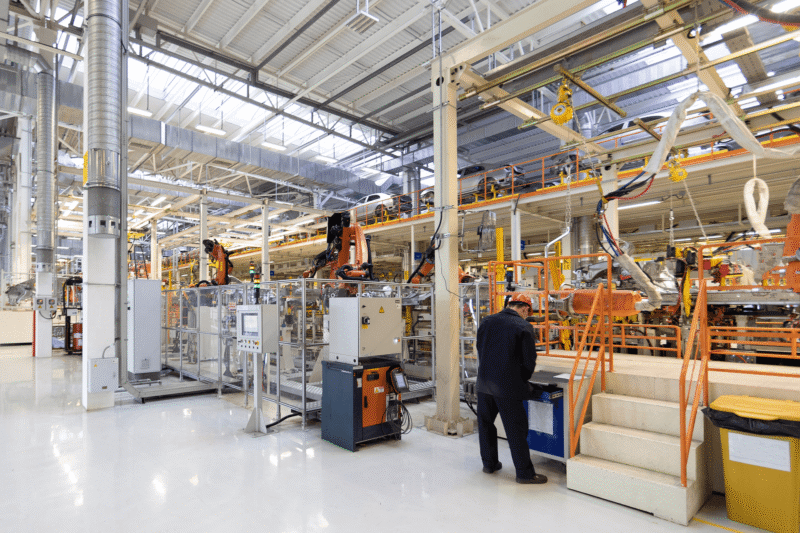
Our Industrial Equipment Sourcing Process
Industrial equipment sourcing requires structured technical evaluation, not simply comparing supplier quotations. We review the application, specifications, expected operating conditions, and quality requirements before approaching manufacturers. This reduces the risk of receiving equipment that appears suitable on paper but fails during installation or operation.
Technical Requirement Review
– Review drawings, data sheets, bills of materials, samples, and equipment specifications.
– Confirm dimensions, tolerances, materials, pressure ratings, capacity, voltage, and operating conditions.
– Identify missing technical information before requesting supplier quotations.
– Separate mandatory requirements from optional features to prevent unnecessary costs.
Supplier Qualification
– Identify manufacturers with experience producing the required industrial equipment.
– Check business licences, production capabilities, export history, and quality management systems.
– Confirm whether production is completed in-house or subcontracted to another factory.
– Compare suppliers based on technical suitability, not price alone.
Inspection and Testing
– Check materials, dimensions, workmanship, labels, packaging, and ordered quantities.
– Coordinate functional testing, pressure testing, load testing, or performance testing when required.
– Review inspection findings before the equipment is approved for shipment.
– Request corrective action when products do not meet the approved specifications.
Shipping and Delivery
– Coordinate collection, consolidation, export documentation, and international freight.
– Protect sensitive equipment with suitable crates, moisture barriers, and internal supports.
– Combine products from multiple manufacturing regions when the project includes several equipment categories.
– Support EXW, FOB, CIF, and DDP delivery arrangements according to the customer’s requirements.
Why Companies Choose Sourcing Captain
Buying general industrial equipment from an unfamiliar supplier creates technical, financial, and operational risks. A low quotation provides little value when the equipment arrives with the wrong material, incompatible connections, incomplete documentation, or no replacement parts. Through our industrial product sourcing support, Sourcing Captain coordinates the process between your engineering team, purchasing department, manufacturers, inspectors, and logistics providers. This gives you greater control over specifications, quality, cost, and delivery.

Technical Matching
Verified Factories
Quality Control
Delivery Support

Build a More Reliable Industrial Supply Chain
Our industrial equipment sourcing service helps manufacturers, contractors, distributors, and engineering companies develop reliable alternatives to expensive or unstable local supply chains. Whether you need bearings sourcing services, a specialised bearing source, T-nut supply China, heat pump systems, industrial valves, industrial material sourcing, or mixed equipment from several factories, we coordinate the project through one point of contact. You receive clearer supplier communication, better control over technical requirements, and greater visibility before products are shipped. Send us your drawings, specifications, equipment list, or current supplier quotation to begin a technical sourcing review.
What We Check Before You Place an Order

Material Grades
We verify whether metals, seals, coatings, insulation, and other materials, including stainless steel used in T-nut supply, are suitable for the expected temperature, pressure, load, chemicals, and operating environment.

Performance Data
Equipment capacity, efficiency, flow, head, speed, power consumption, and operating limits are checked against the intended application.

Dimensional Fit
Critical dimensions, mounting points, flange standards, shaft sizes, threads, and connection types are confirmed before production.

Compliance Documents
We check which test reports, material certificates, inspection records, CE documents, or industry-specific certificates must accompany the order.

Spare Parts
Consumables, seals, bearings, filters, controllers, and other replacement components are identified before shipment to reduce future downtime.

Export Packaging
Packaging is selected according to equipment weight, fragility, corrosion risk, transport method, lifting requirements, and expected handling conditions.

Supplier Capacity
We confirm production capacity, lead times, minimum order quantities, and the supplier’s ability to maintain consistent quality across repeat orders.

Warranty Terms
We review warranty coverage, claim procedures, replacement responsibilities, and available technical support before the order is approved.